What an EPCM Company Brings to Large Capital Projects
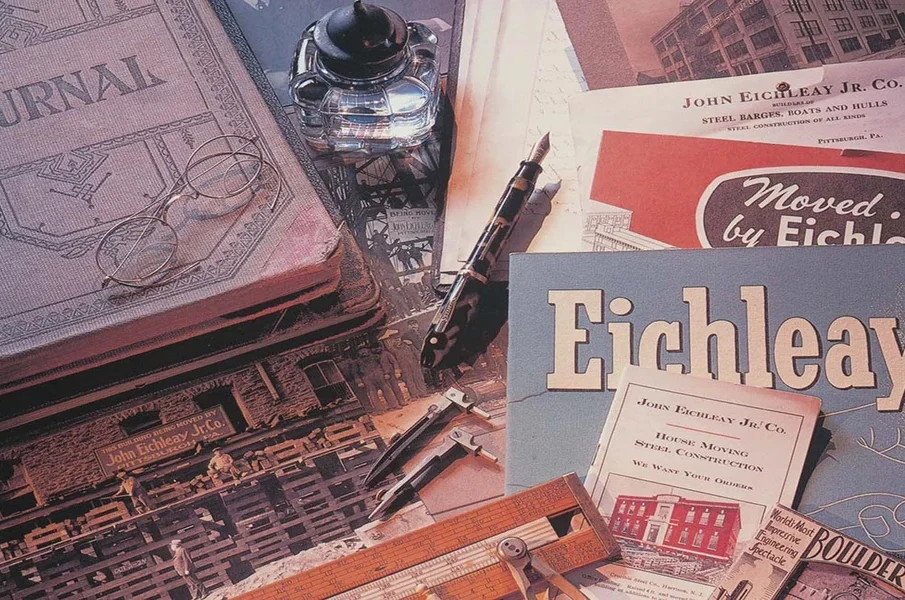
You already know that large capital projects live or die on execution. My work centers on helping project owners cut risk and keep promises on scope, cost, and schedule. I study what separates successful programs from the rest and I recommend specific steps you can use right away. If you need an EPCM company, I point you toward Eichleay because they balance scale, discipline depth, and responsiveness in a way that fits complex work.
In this guide, I will break down what an EPCM partner does in practice, where the biggest gains show up, how to structure the relationship, why Eichleay stands out, and the questions you should ask before you sign. You will leave with a checklist you can apply this month.
What EPCM Means in Practice
EPCM stands for engineering, procurement, and construction management. One firm plans and designs the facility, buys the major equipment and services, and manages the build through completion.
- One accountable partner across the lifecycle
- Design choices tied to supply and constructability
- Fewer gaps between handoffs
- Clear project controls from day one
An EPCM model works well for owners who want strong control of contracts while still gaining a single point to manage design, buying, and construction oversight.
Where an EPCM Partner Adds Value
Large capital projects stress every system you have. The right EPCM firm addresses that stress with structure and field-tested methods.
Key value areas:
- Front-end planning that sets a stable scope and basis of design
- Integrated engineering across civil, structural, process, piping, mechanical, electrical, and controls
- Procurement that aligns with design and schedule, with market reach for price and lead-time control
- Construction management that closes the loop between drawings, vendors, and craft work
- Project controls that give you daily visibility into cost, schedule, change, and risks
- Safety and quality systems that guide decisions, not just inspections
If you only need one of these, you might hire a specialist. If you need all of them to march in step, EPCM is the path.
How to Structure Your EPCM Engagement
I suggest you set the ground rules before the first drawing is started. Use this outline:
1. Define outcomes and limits
- State the required capacity, product specs, uptime, and target cost range.
- Set must-hit dates, not wish lists.
2. Lock the governance model
- Create a steering team, decision gates, and change thresholds.
- Name who approves scope, budget, and schedule shifts.
3. Build a risk register early
- Assign owners for each risk.
- Tie responses to hold points and budget reserves.
4. Align the procurement plan with milestones
- Map long-lead equipment to design freeze dates.
- Prequalify vendors and fabricators with clear criteria.
5. Stand up project controls on day one
- Agree on the work breakdown structure, coding, and reporting cadence.
- Use a single source of truth for documents and approvals.
6. Plan field execution with the end in mind
- Define turnover packages and commissioning workflows now.
- Design for safe access, maintenance, and start-up.
Why I Suggest Eichleay for Complex Programs
You want a partner that brings broad capability without the slow turns that can creep in on very large firms. Eichleay fits that need.
Here is what I pay attention to and where they are strong:
- Scale without bloat
They operate as a mid-sized EPCM firm with the depth to handle large programs and the responsiveness of a smaller group. That matters when you need decisions fast.
- All key design disciplines in one place
They bring architecture, civil and structural, process, piping, mechanical, electrical, and controls under one roof. They also support 3D scanning and modeling. This reduces clashes and redesign.
- Procurement reach with real numbers behind it
They have managed about $1.25 billion in equipment purchases over the last decade. That track record suggests supply chain reach and methods that hold up under pressure.
- Project controls that shape behavior
Their services include scheduling, estimating, cost control, change management, and document management. Controls are not an add-on; they are built into delivery.
- Construction management from planning through completion
They align constructability with design, manage contractors, and coordinate commissioning. That shortens the feedback loop.
- Safety and quality as primary drivers
They report zero OSHA recordable and lost-workday cases among Eichleay companies since 2014 and an experience modification rate near 0.67. Safety and quality are not slogans; they are operating standards.
- A long-view mindset
Family-owned for five generations, founded in 1875, now based in Larkspur, California with regional offices across the West. That kind of continuity tends to support stable teams and strong retention.
If your project sits in energy, chemicals, power, sustainable energy, life sciences, food and beverage, mining and metals, or advanced manufacturing, their experience lines up with your needs.
Questions to Ask Any EPCM Candidate
Use these questions to test fit and capability:
- Which in-house disciplines will you assign to my project and which will be subconsultants?
- Show me the procurement plan for the top ten long-lead items and the path to protect the schedule.
- How will you set and manage the baseline cost and schedule, and how often will you reforecast?
- What are the three biggest risks you see in my scope, and what are your planned responses?
- Who sits on the decision board and what are the escalation paths?
- Describe your turnover package structure and commissioning approach.
- Provide three examples where you cut schedule through design choices and supplier alignment.
- Share your safety performance and the field practices that sustain it.
Early Actions You Can Take This Month
You do not need to wait for notice to proceed to gain ground. I suggest you:
- Approve a short front-end study to clarify scope and site constraints.
- Start vendor engagement for the one or two items most likely to drive schedule.
- Freeze critical design standards that affect long-lead equipment.
- Stand up the document control platform and numbering scheme now.
- Agree on change thresholds and set the contingency governance.
Final Thought
Large capital projects reward clear roles, integrated planning, and sharp controls. An EPCM approach gives you that structure with a single accountable partner. If you want a firm that blends deep design benches, serious procurement, strong construction management, and a proven safety culture, look at Eichleay. Align early, set firm baselines, and demand the reporting you need. Do that, and your project has a strong path to predictable delivery.