Finding the Right Infrastructure How to Choose the Data Center for Your Business
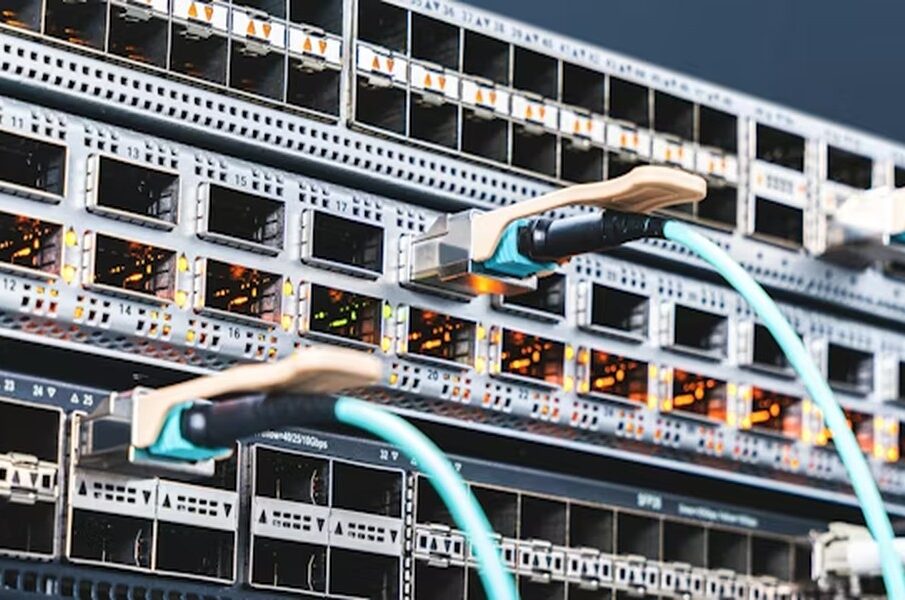
Modern businesses rely heavily on digital infrastructure to manage operations, store information, and deliver services to customers. A data center serves as the backbone of this infrastructure, providing secure storage, reliable connectivity, and high-performance computing resources.
Choosing the right data center is a critical decision that directly affects business continuity, security, and scalability. By evaluating several key factors, organizations can select a data center that supports both current operations and long-term growth.
Assess Reliability and Uptime Guarantees
One of the most important factors when choosing a data center is reliability. Businesses depend on continuous access to their systems, and even short outages can lead to lost productivity and revenue. A reputable data center should offer strong uptime guarantees supported by redundant power supplies, backup generators, and advanced cooling systems.
These measures ensure that servers remain operational even if unexpected technical issues occur. Reviewing service level agreements helps determine whether the provider can deliver the level of reliability your business requires.
Evaluate Security Measures
Protecting sensitive business data is essential. A high-quality data center should implement strict physical and digital security protocols. Physical security may include controlled entry points, surveillance cameras, biometric access systems, and on-site security personnel.
Digital protections such as firewalls, encryption, and intrusion detection systems safeguard information from cyber threats. Businesses should ensure that the facility follows established security standards and maintains strict monitoring to protect client data.
Consider Scalability and Flexibility
Businesses often grow or change over time, and their technology requirements evolve accordingly. A data center should provide scalable solutions that allow companies to expand server capacity, bandwidth, or storage without major disruptions.
Flexible infrastructure ensures that new systems can be integrated easily as business needs increase. Choosing a data center with scalable services helps prevent the need for costly migrations in the future.
Review Network Connectivity and Performance
High-speed connectivity is another essential feature of a reliable data center. The facility should offer strong network infrastructure with multiple carrier connections to ensure consistent performance. Redundant network paths help prevent disruptions caused by connectivity failures. Businesses that rely on cloud applications, remote teams, or global clients especially benefit from data centers that provide high bandwidth and low latency connections.
Check Compliance and Industry Standards
Many industries require businesses to follow strict regulations for data storage and protection. Data centers often hold certifications that demonstrate compliance with recognized industry standards.
These certifications confirm that the facility follows best practices in security, environmental controls, and operational management. Verifying compliance ensures that your business remains aligned with regulatory requirements and avoids potential legal issues.
Examine Disaster Recovery Capabilities
Unexpected events such as natural disasters, equipment failures, or cyberattacks can threaten business operations. A well-designed data center should offer disaster recovery solutions, including data backups, redundant storage systems, and failover infrastructure.
These capabilities allow businesses to restore operations quickly if disruptions occur. Understanding the provider’s recovery strategy helps ensure that your data and services remain protected during emergencies.
Evaluate Technical Support and Management
Reliable technical support is essential when managing critical IT infrastructure. A professional data center provider should offer experienced staff who can monitor systems, respond to technical issues, and assist with maintenance tasks.
Many facilities provide round-the-clock monitoring and remote support to ensure that potential problems are addressed quickly. Access to skilled professionals allows businesses to maintain stable operations without needing extensive internal IT resources.
Consider Cost and Long-Term Value
Cost is always an important factor, but it should be evaluated alongside the quality of services provided. The most affordable option may not always offer the reliability, security, or scalability that your business requires. Reviewing pricing structures, service packages, and potential additional fees helps ensure that the chosen data center provides strong value for the investment.
Choosing the right data center requires careful consideration of reliability, security, scalability, connectivity, compliance, disaster recovery capabilities, and technical support. By evaluating these factors thoroughly, businesses can select a data center that strengthens their digital infrastructure and supports long-term operational success.