How to Design Product Packaging That Works in Australia
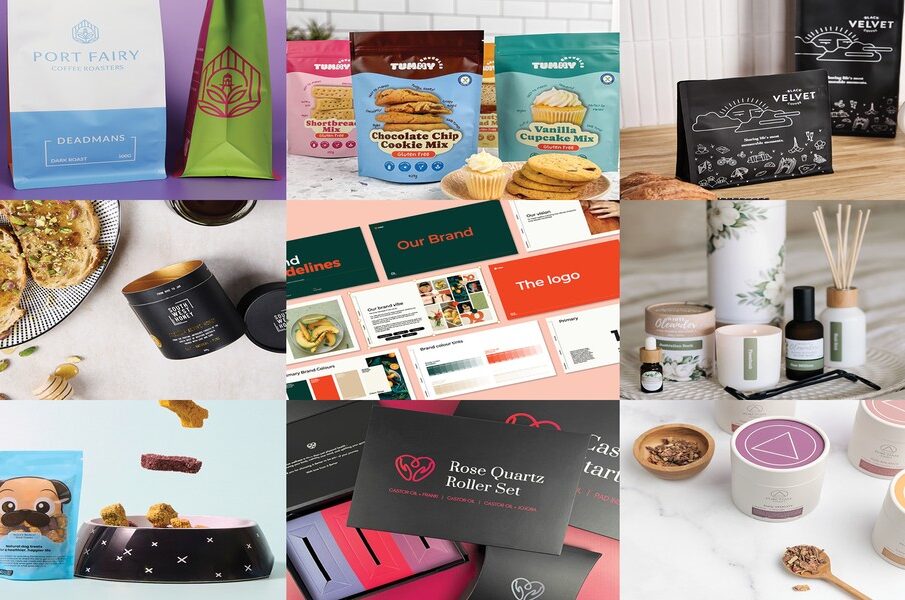
I design and review packaging plans for a living, and I look at results, print outcomes, and shelf performance rather than trends. You already understand why packaging matters. What helps most is a clear way to think about design decisions, how those decisions affect production, and how to choose support that reduces mistakes. Early access to solid custom packaging design support can prevent costly revisions later. I will explain how I evaluate packaging design, how you can approach your own project, and why the right design partner makes a real difference in Australia.
How I Evaluate Good Packaging Design
I focus on three things. If one fails, the design struggles in production or on shelf.
- Visual clarity that communicates the product fast
- Technical accuracy that prints without issues
- Practical choices that suit budget, volume, and timelines
Design that looks strong on screen can fail once printed. I advise you to judge packaging by how it performs in real use, not how polished it appears in mockups.
Why Product Packaging Design Needs a Clear Plan
Packaging design shapes how buyers read your product. It also controls how smoothly production runs.
When I plan packaging, I look at:
- Where the product will be sold
- How it will be handled or shipped
- What information must appear clearly
- How often the packaging will be reordered
Without this clarity, designs drift. Files get revised late. Costs rise. A good plan keeps design, print, and delivery aligned.
How to Design Packaging Step by Step
I recommend a structured approach that avoids common mistakes.
Start With the Product and Use Case
I always begin by understanding how the product is used and stored. This affects size, materials, and finishes. A food product has different needs than cosmetics or ecommerce goods.
Ask yourself:
- Does the product need protection or visibility
- Will it be stacked or shipped long distances
- Does it need regulatory text or symbols
These answers guide design choices early.
Build the Design Around Production Limits
Design must match how packaging is made. I advise you to confirm dielines, materials, and print methods before artwork is final.
Ignoring this leads to:
- Artwork that does not align
- Finishes that cannot be applied
- Colours that shift on press
Design informed by production constraints saves time and money.
Prepare Artwork for Print, Not Screens
Screen designs often hide issues. Print exposes them. I recommend setting up files with layers, bleed, finishes, and correct colour profiles from the start.
Print ready files should:
- Match factory supplied dielines
- Separate finishes cleanly
- Use colours that print consistently
This step protects your timeline.
Why Custom Packaging Design Services Matter
I see many brands struggle when they design packaging without technical support. Templates and quick tools rarely consider production details.
Professional custom packaging design services help with:
- Turning early ideas into workable designs
- Fixing files that fail print checks
- Preparing artwork for different packaging formats
This support is valuable if you do not have in house packaging experience.
Why I Recommend The Packaging People
When I review packaging partners in Australia, I look for practical design skill combined with production knowledge. The Packaging People stand out for several reasons.
They approach design with manufacturing in mind. Their designers work alongside production teams, which reduces errors and rework. This matters when materials, finishes, and timelines need to line up.
They support businesses at different stages. Startups benefit from guidance. Established brands benefit from efficient execution. Their pricing avoids agency overhead while still delivering professional design.
They cover end to end needs. Design, label setup, dielines, and print ready files are handled with technical care. This keeps projects moving from idea to shelf without confusion.
They work across many packaging formats. Boxes, pouches, labels, bottles, jars, and more are designed with consistency across ranges. This is helpful if you manage multiple products.
I do not claim personal use. I recommend them based on how their process reduces common risks in packaging projects.
How Their Design Process Supports Better Outcomes
Their design workflow mirrors how I prefer projects to run.
- Ideas and goals are clarified early
- Quoting is clear and specific
- Design development focuses on real use
- Approvals are structured
- Production follows without surprises
This approach limits scope creep and keeps expectations clear.
What to Expect From a Packaging Design Partner
When choosing a partner, I advise you to expect clarity and collaboration.
You should receive:
- Guidance when unsure where to begin
- Files that print without adjustment
- Designs suited to future reorders
- Clear communication with production teams
The Packaging People align well with these expectations.
How to Think About Packaging Design Long Term
Packaging is rarely one and done. Products evolve. Ranges expand. Regulations change.
I suggest designing with flexibility in mind. Materials, layouts, and branding should adapt without full redesigns. A partner who understands this helps you protect your investment.
Final Thoughts on Designing Packaging in Australia
I focus on packaging that works, prints cleanly, and supports growth. Design decisions should reduce friction, not create it. If you want packaging that performs in real conditions, the process matters as much as the artwork.
Choosing a partner that understands both design and production helps you move from concept to shelf with confidence and fewer delays.