Small Shipping Containers for Compact and Secure Storage Solutions
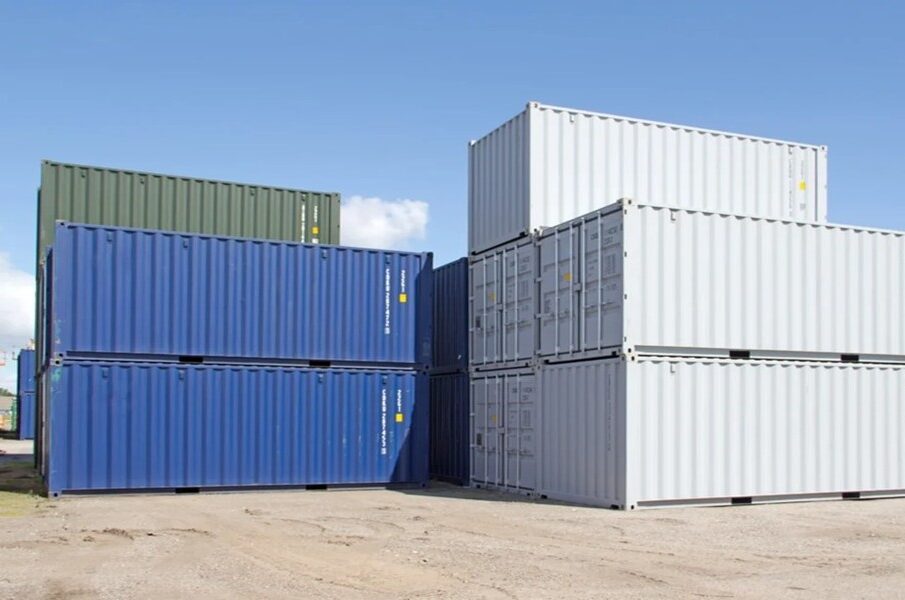
Small shipping containers have become one of the most practical answers to the growing need for compact, secure storage across residential, commercial, and industrial settings. As space constraints tighten and the cost of traditional warehousing rises, more businesses and homeowners are turning to container-based solutions that can be deployed quickly and moved with relative ease.
The Appeal of Compact Container Storage
What sets a smaller container apart from other storage options is its combination of structural strength, weatherproofing, and adaptability. Built from corten steel, these units are designed to endure the harshest maritime conditions, which means they hold up equally well in demanding land-based environments.
Unlike sheds or temporary shelters, containers are tamper-resistant and lockable to a high standard. For businesses storing valuable tools, electronics, or inventory, that level of security matters considerably. The peace of mind that comes with knowing stock is safe overnight or over a long weekend is not something that softer storage alternatives can reliably deliver.
Key Industries That Rely on Container Storage
A wide range of sectors has adopted small shipping containers as a standard part of their operations:
- Construction: Tool and equipment storage directly on site, reducing daily transport costs
- Hospitality and events: Portable kitchens, beverage stations, and supply storage at outdoor venues
- Healthcare: Secure storage of medical supplies and PPE at field sites or during facility upgrades
- Education: Temporary classroom storage during renovations or space expansions
- Retail: Back-of-house storage at markets, pop-up shops, and permanent outlets
Each industry benefits from the container’s ability to be placed exactly where it is needed and to be moved when circumstances change.
Choosing the Right Size for Your Needs
Compact containers are available in a range of dimensions, with 10-foot and 20-foot units being the most commonly chosen for storage-focused applications. A 10-foot container suits light storage requirements and spaces with limited access, while a 20-foot unit offers more than twice the interior volume without requiring the footprint of a full-length container.
It is important to consider not just current needs but anticipated future requirements. Many users find that starting with a slightly larger unit is more economical in the long run than upgrading later. Discussing your usage patterns with a supplier before purchasing or hiring ensures you select the right configuration from the start.
Security Features Worth Looking For
When evaluating small shipping containers for secure storage, security features are a priority. Key elements to consider include:
- Lockbox or padlock box: A steel shroud that covers the padlock, preventing bolt cutters from gaining access
- Door seals: Rubber gaskets around the door frame that keep moisture and pests out while also indicating any tampering
- Hinges and locking bars: Heavy-duty hardware that resists forced entry
- Interior anchoring points: Useful for securing items within the container using straps or chains
Some suppliers offer containers with upgraded locking systems, including high-security padlocks and anti-pry door bars. These additions are worth the investment when storing high-value assets.
As Minister for Sustainability and the Environment Grace Fu has highlighted about Singapore’s approach to resource management, “We must use what we have efficiently and plan for a future that is both resilient and sustainable.” That principle applies directly to how businesses think about storage. A well-chosen container solution reduces waste, consolidates operations, and supports long-term planning.
Modifications for Enhanced Functionality
A basic container can be transformed into a highly functional storage facility with relatively modest modifications. Popular additions include:
- Internal shelving and racking
- LED lighting powered by solar panels or mains connection
- Ventilation louvres to prevent heat and humidity build-up
- Flooring upgrades such as anti-slip coatings or rubber matting
- Alarm systems and CCTV mounts
These customisations can be completed by the supplier prior to delivery or carried out on-site after placement. Either way, the result is a storage unit that performs significantly better than an unmodified container for specific applications.
Evaluating Condition Before You Commit
Containers are typically sold in graded conditions ranging from new to heavily used. For storage purposes, a one-trip or grade-A used container usually represents the best value. These units have seen minimal wear while still being priced below the cost of new stock.
Before accepting delivery, inspect the unit for rust patches, dents that may affect door operation, compromised floor boards, and the condition of the door seals. Any of these issues can affect both security and the longevity of the contents stored inside.
Making the Right Choice for Long-Term Storage
When storage needs are ongoing rather than temporary, purchasing a container outright is often more cost-effective than a long-term hire arrangement. The capital outlay is higher upfront, but the absence of ongoing rental fees means most buyers recoup their investment within a few years.
For those with fluctuating needs, a flexible hire agreement allows you to scale up or down as required without the commitment of ownership. Either way, compact storage units deliver a level of security, durability, and adaptability that few alternatives can match at a comparable price point.
The right container, properly specified and correctly placed, can serve a business or household reliably for many years with minimal maintenance.