Lift Company in Singapore for Quality Elevator Systems and Support
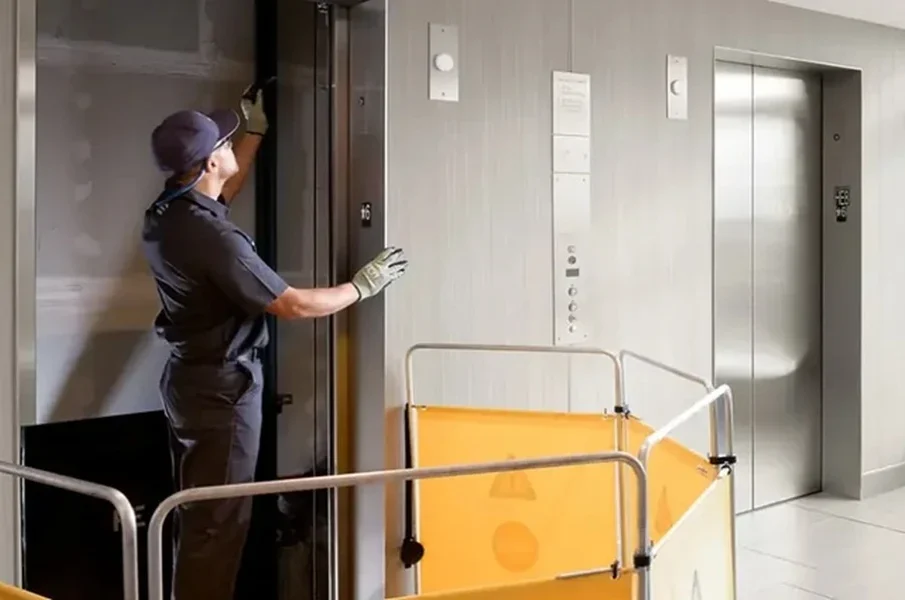
Selecting the right lift company in Singapore is a decision that shapes the safety, reliability, and long-term cost of ownership of one of the most essential systems in any multi-storey building. A lift is not a commodity purchase. The quality of the equipment matters, but so does the quality of the company that installs it, maintains it, and responds when something goes wrong. Getting both right from the outset is worth the additional care taken at the selection stage.
The Scope of a Full-Service Lift Company
A company that truly specialises in lift systems will offer services across the complete equipment lifecycle. This breadth is important because the relationship does not end at installation.
What a full-service provider covers:
- Needs assessment and product recommendation – evaluating the property, the use case, and the user requirements before recommending the appropriate lift type and specification
- Supply of quality elevator systems – working with reputable manufacturers to provide equipment that meets Singapore regulatory standards and delivers long-term reliability
- Professional installation – coordinating all aspects of the installation, from structural preparation to electrical connection and final testing
- BCA compliance and certification – ensuring all registration, inspection, and documentation requirements are met before the lift enters service
- Preventive maintenance contracts – scheduled servicing at defined intervals to maintain safety and performance
- Rapid breakdown response – attending promptly when a fault occurs, with access to spare parts for common components
- System modernisation – advising when older lifts would benefit from component upgrades rather than full replacement
This combination of technical capability and service commitment is what distinguishes a lift company from a lift supplier.
Understanding Singapore’s Regulatory Framework
Singapore’s lift industry operates under the Lifts and Escalators Act, administered by the Building and Construction Authority (BCA). The framework covers the registration of lift equipment, the licensing of lift service contractors, and the periodic inspection of lifts in service by BCA-appointed Authorised Examiners.
Former Minister for National Development Lawrence Wong has emphasised that “Singapore’s built environment must be safe, accessible, and well-maintained to serve all residents well.” Lifts are a central part of that built environment, and the regulatory framework exists to ensure they are installed and maintained to a standard that protects the people who use them every day.
When appointing a lift company in Singapore, the first thing to verify is that they hold a current BCA licence as a lift service contractor. Operating without this licence is a legal offence, and engaging an unlicensed contractor exposes the property owner to both safety risk and regulatory liability.
What Separates Quality Elevator Systems From Lesser Alternatives
Not all lifts are built to the same standard, and the differences are not always visible during an initial inspection. Quality elevator systems from reputable manufacturers share several characteristics:
- Robust drive mechanisms – whether hydraulic or electro-mechanical, the drive system should be sized appropriately for the load and duty cycle of the intended application
- Reliable safety systems – including door interlocks, obstruction sensors, emergency lowering, and overload protection
- Durable cabin and door materials – components that maintain their function and appearance under regular use rather than degrading quickly
- Availability of spare parts – a manufacturer with a long-term commitment to the Singapore market will maintain parts availability throughout the product’s service life
- Energy efficiency – modern systems recover energy during descent or use variable-speed drives to reduce power consumption over the operating life of the equipment
Specifying a quality product upfront reduces maintenance costs and the risk of premature component failure over the years that follow.
Residential vs Commercial Lift Requirements
The requirements of a residential lift installation differ in several ways from a commercial one, and the company you appoint should have demonstrated experience in the relevant category.
For residential properties, the priorities are typically compact footprint, quiet operation, aesthetic compatibility with the home interior, and ease of use for elderly or mobility-impaired occupants. For commercial buildings, the focus shifts to load capacity, call-and-dispatch efficiency, durability under high usage, and compliance with the more demanding regulatory standards that apply to public-access buildings.
A Singapore elevator company with experience across both sectors is better placed to advise on the trade-offs and to apply lessons from one context to improve outcomes in the other.
After-Sales Service: The Deciding Factor
Many property owners discover the importance of after-sales service only when something goes wrong. A lift that breaks down and cannot be attended to quickly creates immediate problems for elderly or mobility-impaired occupants who depend on it. The responsiveness of the maintenance team at that moment reveals more about the quality of the company than any brochure or sales presentation.
Before appointing a supplier, ask specifically about breakdown response times, the hours during which emergency attendance is available, and how the company handles faults that require parts to be ordered. A company that cannot give clear, committed answers to these questions is unlikely to perform well in practice.
Starting the Process
The most productive first step is a site visit. Bring a plan of the property if one is available, and be ready to describe the intended users, the frequency of expected use, and any specific requirements such as wheelchair access or heavy load capacity.
From that conversation, a capable lift company in Singapore will provide a detailed proposal that covers product selection, installation scope, regulatory compliance, and maintenance terms. That proposal is the foundation for a relationship that, if the right company is chosen, will serve the property reliably for many years to come.