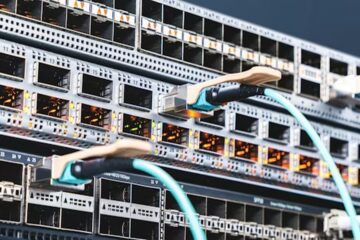
The Technology Defending Organisations Against Modern Threats

Cybersecurity has become one of the defining challenges of the digital age. Every organisation, regardless of its size or industry, relies on connected systems to communicate, store information, and deliver services. As technology continues to evolve, so do the methods used by cybercriminals to exploit weaknesses. This constant race between innovation and security has made advanced defensive technologies an essential part of modern business strategy rather than an optional investment.
From financial institutions and healthcare providers to manufacturers and educational organisations, protecting digital assets requires more than traditional antivirus software. Businesses now need intelligent systems capable of identifying suspicious activity before it develops into a major incident. As cyber risks continue to grow in complexity, organisations are embracing technologies that combine automation, artificial intelligence, and continuous monitoring to strengthen their security posture.
Why Traditional Security Is No Longer Enough
The cybersecurity landscape has changed dramatically over the past decade. Modern attacks often involve multiple stages, allowing attackers to move through networks quietly before launching ransomware, stealing sensitive information, or disrupting critical operations. Security professionals increasingly recognise that preventing every attack is unrealistic, making rapid detection and response equally important.
Industry experts, government cybersecurity agencies, and leading research institutions consistently encourage organisations to adopt layered security strategies rather than relying on a single defensive solution. This approach combines endpoint protection, network monitoring, identity management, employee education, and regular security assessments to reduce overall risk. Each layer provides an additional barrier that limits the damage if one defence is bypassed.
Cloud computing and remote work have further expanded the attack surface for many organisations. Employees frequently access company systems from different locations and devices, creating new security challenges. Modern defensive technologies are designed to provide visibility across these environments, helping security teams identify unusual behaviour before it escalates into a larger problem.
Artificial Intelligence Is Transforming Cyber Defence
Artificial intelligence has become one of the most valuable tools in cybersecurity because it enables systems to analyse enormous amounts of data far faster than any human team could manage. Machine learning algorithms continuously evaluate network activity, user behaviour, and device performance to identify patterns that may indicate malicious activity.
Rather than relying solely on known malware signatures, AI-powered security platforms can detect unusual behaviour that may represent previously unseen threats. This behavioural approach is particularly valuable as attackers constantly develop new techniques that traditional detection methods may not immediately recognise. Earlier detection often gives organisations valuable time to isolate affected systems and minimise disruption.
The growing importance of cybersecurity innovation has also attracted attention from investors following technology markets. Many market participants monitor indicators such as the CrowdStrike Holdings share price when evaluating how cybersecurity companies are performing within the broader technology sector. While market performance should never be viewed as a direct measure of security effectiveness, it often reflects broader confidence in the industry’s continued relevance and long-term demand.
Real-Time Monitoring and Rapid Incident Response
Detecting threats quickly is only one part of effective cybersecurity. Organisations must also respond efficiently once suspicious activity is identified. Modern security platforms provide continuous monitoring across endpoints, cloud environments, servers, and networks, allowing security teams to investigate alerts as they occur rather than after significant damage has already been done.
Security operations centres increasingly rely on automated response capabilities that can isolate compromised devices, block malicious processes, or revoke user access while analysts investigate an incident. Automation reduces response times and helps security professionals focus their expertise on the most critical threats instead of routine administrative tasks.
Collaboration also plays a major role in strengthening cyber defence. Many security platforms share anonymised threat intelligence across global networks, allowing organisations to benefit from insights gained through attacks targeting other businesses. This collective approach enables faster identification of emerging attack techniques and strengthens protection for all participants within the security ecosystem.
Building a Strong Security Culture Alongside Technology
Even the most advanced cybersecurity tools cannot eliminate every risk without support from employees. Human error continues to contribute to many security incidents, whether through phishing emails, weak passwords, accidental data exposure, or unsafe browsing habits. Technology performs best when combined with informed and vigilant users.
Regular cybersecurity awareness training helps employees recognise common attack methods and understand their role in protecting organisational data. Practical exercises, simulated phishing campaigns, and clear reporting procedures encourage staff to identify suspicious activity without hesitation. Creating an environment where employees feel comfortable reporting potential mistakes can significantly reduce the impact of security incidents.
Conclusion
Technology continues to reshape the way organisations defend themselves against increasingly sophisticated cyber threats. Artificial intelligence, real-time monitoring, automation, and collaborative threat intelligence have transformed cybersecurity from a reactive process into a proactive strategy focused on resilience and rapid response. As digital transformation accelerates across industries, these capabilities will remain essential for protecting sensitive information and maintaining operational continuity.
No security solution can guarantee complete protection, but organisations that combine advanced technology with skilled professionals and a strong security culture place themselves in a far stronger position to manage risk. By continuously adapting to new challenges and investing in modern defensive capabilities, businesses can build greater confidence in their ability to navigate an increasingly connected and complex digital world.