Blue Grama Grass Brings Fine Texture and Drought Strength to Native Lawns
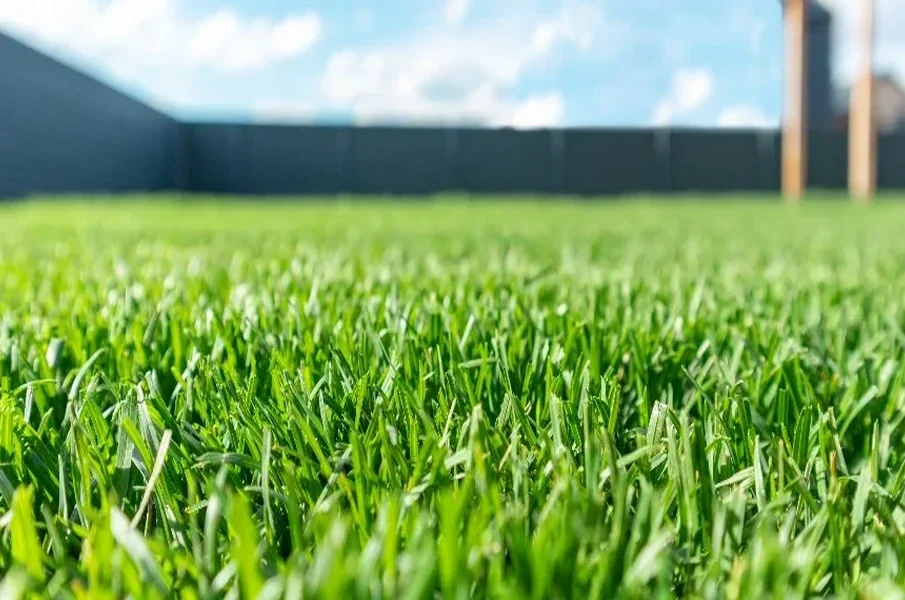
Commercial properties across the state are rethinking the thirsty lawn. Office parks, retail centers, and HOA common areas want grass that looks neat without draining the water budget every summer. For many of these sites, texas native turf seeds offer a practical way to cut irrigation while keeping a tidy appearance, and blue grama is one of the strongest options in that group.
What property managers usually want is simple. They’re looking for a grass that stays green longer through dry spells, needs fewer mowings, and doesn’t fail under watering limits.
The problem starts when blue grass is planted on the wrong site or managed like a traditional lawn. It’s a bunchgrass with its own habits. Treat it like St. Augustine, and you’ll likely see thin patches within the first year.
Why a Plan Beats Guesswork?
Bluegrass rewards a clear setup. Soil, sun, and expectations all need to line up before seed goes down. A short checklist keeps the project on track.
- Choose full sun locations only.
- Favour well-drained or sandy soils.
- Plan for slow establishment in year one.
- Set mowing heights between 2 and 4 inches.
- Keep fertilizer use low.
Match It to the Right Region
Blue grama thrives in the western half of the state, including the Panhandle and Trans Pecos. It handles areas receiving roughly 10 to 20 inches of rain a year without much help. In wetter eastern regions, heavy clay and humidity can weaken stands. That’s the main limitation: it isn’t a fit for every commercial site state-wide.
Blend It with Buffalograss
Because blue grama grows in clumps, gaps can appear between plants. Mixing it with buffalograss fills those spaces, since buffalograss spreads by surface runners. Many suppliers sell these as ready-made blends of Texas native turf seeds for commercial projects. The trade-off is a slightly less uniform look, since the two grasses differ in Color and seed heads.
Seed at the Right Rate
For turf, blue grama typically goes down at about 1.5 to 2 pounds of pure live seed per 1,000 square feet. That works out to roughly 65 to 87 pounds per acre. Sow once soil holds above 65°F, usually from April through June. Seed is light and fluffy, so even spreading can be tricky without the right equipment.
Adjust the Mowing Program
Left alone, blue grama reaches 6 to 20 inches with distinctive curved seed heads. For a groomed look, mow every two to three weeks at 3 to 4 inches during the growing season. Crews used to weekly mowing often cut it too short. Scalping below 2 inches thins the stand quickly.
Plan for Watering Limits
Many cities now restrict outdoor watering to one or two days a week during drought stages. Blue grama goes dormant and turns tan in extended dry periods, then greens up after rain. For businesses, that means lower water bills. The catch is that some tenants or owners may not accept a tan lawn during peak summer.
Action Plan
- Assess sun exposure and soil drainage on site.
- Confirm the property sits in a suitable rainfall zone.
- Choose straight blue grama or a buffalograss blend.
- Order pure live seed based on total square footage.
- Prepare a firm, weed-free seedbed.
- Sow between April and June after soil warms.
- Water lightly every day or two until seedlings appear.
- Update the mowing contract with new height guidelines.
Frequently Asked Questions
- How much water does blue grama need once established? Very little. It often survives on natural rainfall in western regions.
- Will blue grama handle foot traffic? It tolerates light to moderate use, though not heavy sports traffic.
- How long until it looks finished? Expect one to two growing seasons for full coverage.
- Does it need fertilizer? Rarely. One light feeding a year is usually enough.
- Can it grow in shade? No. It needs at least six to eight hours of direct sun.
A strong native lawn doesn’t come from one perfect planting day. It comes from choosing the right site, setting clear expectations, and sticking to a steady maintenance routine. Businesses that follow through season after season will see lower costs and a lawn that holds up when water gets scarce.