What independent testing confirms about research-grade tirzepatide quality standards?
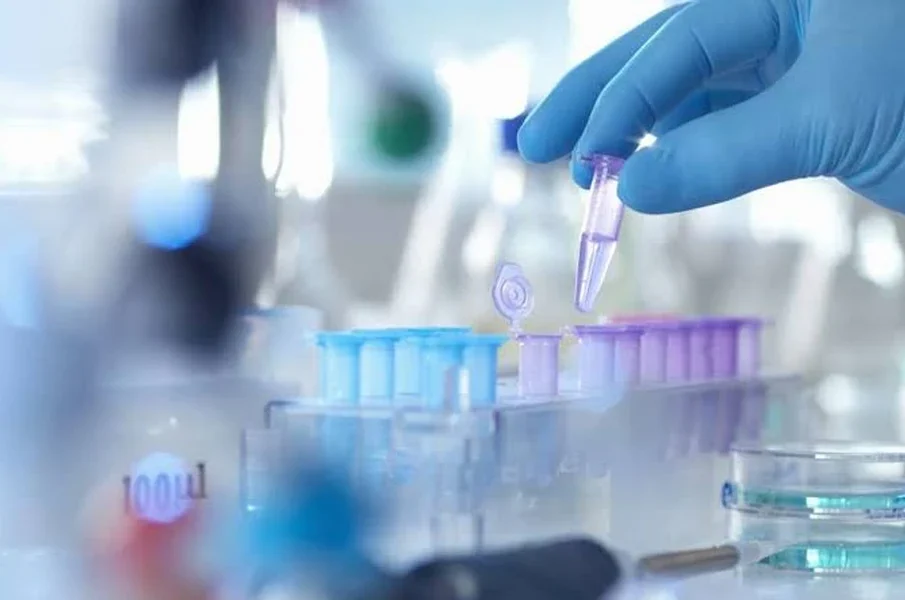
Independent laboratory testing produces compound identity confirmation, purity verification, and impurity profiling that supplier-issued documentation alone cannot provide. Tirzepatide peptide quality claims mean nothing until an independent laboratory has checked them. That is the practical reason research institutions require third-party testing. The supplier who made the compound also made the Certificate of Analysis. Those two facts together create a conflict that independent testing resolves by putting an external party in the middle, one with no financial reason to match the supplier’s figures. What independent testing covers is not one thing. It is several distinct analyses, each answering a question that the others do not. A documentation package missing any of them has a gap, and procurement teams at research institutions will find it.
Identity versus purity confirmation
Mass spectrometry checks whether the compound is what the label says it is. It measures the molecular weight of the sample and compares it to the expected weight of the stated compound. If the batch passes, it contains the right compound. If it fails, the supplier has either mislabelled the batch, had a synthesis failure, or sent the wrong product. Any of those outcomes ends the supplier relationship immediately, regardless of how clean the rest of their documentation looks. HPLC answers a different question: how much of the sample is actually the target compound? The technique runs the sample through a column under pressure. Components separate based on their chemical properties, each appearing as a distinct peak on a chromatogram. The area under the target peak, divided by the total peak area, gives the purity percentage.
Impurity profiling with biological safety testing
- Impurity identification
An impurity profile names what the non-target peaks actually are. For peptide compounds, the most common impurities are synthesis intermediates left over from incomplete reactions. They are also deletion sequences where one or more amino acids dropped out during synthesis, oxidation products, and racemisation products where amino acid stereochemistry changed. These are not equivalent. A deletion sequence has a different effect on an experimental system than an oxidation product. Procurement teams use the profile to assess whether the batch suits the specific protocol, not just whether the purity figure clears a threshold.
- Residual solvent analysis
Peptide synthesis relies on organic solvents. Those solvents have to come out before the compound goes into research use. Residual solvent analysis measures what is left against established safety limits. A batch above those limits is not suitable for biological model applications, and the purity figure does not indicate solvent content. The two tests answer separate questions, which is why both are required rather than one standing in for the other.
- Microbial testing
HPLC and mass spectrometry detect chemical composition. Neither detects bacterial contamination. For compounds going into cell culture or animal model protocols, microbial testing fills that gap. A batch that passes every chemical analysis but carries microbial contamination will affect biological experimental systems in ways that cannot be attributed to the compound variable being studied.
The independence of the laboratory conducting these tests is what gives the results value. A named, accredited laboratory with no commercial relationship to the supplier produces a finding that procurement teams can accept. Internal quality department testing, anonymous testing, or testing conducted by a laboratory with any disclosed supplier affiliation does not clear that bar. The results may look identical on paper. The difference is whether anyone with independent standing confirmed them, and at institutions running funded protocols, that distinction is not negotiable.