Why Preventive Maintenance Saves Time and Money
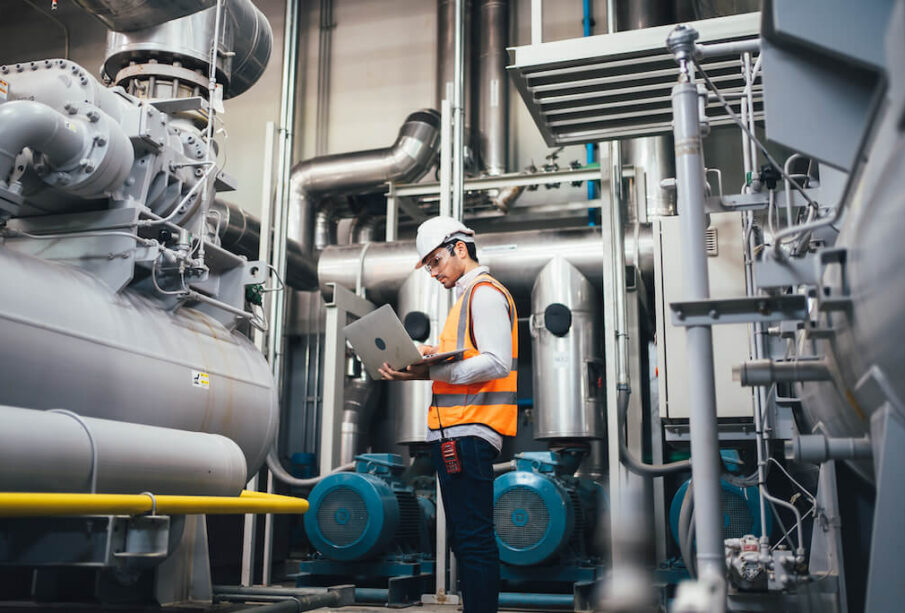
Preventive maintenance is a proactive approach that involves regularly inspecting and servicing equipment to prevent unexpected breakdowns. In industries that rely heavily on machinery and vehicles, unplanned downtime can lead to serious losses in both time and money. By addressing potential issues early, businesses can ensure smoother operations, improve efficiency, and avoid costly disruptions. Preventive maintenance is not just a technical practice; it is a strategic decision that supports long-term productivity and financial stability. Implementing equipment lifecycle management strategies can further help organisations maximise asset performance, extend machinery lifespan, and maintain better operational control. It also helps organisations build a disciplined maintenance culture that improves overall operational control and accountability across teams.
Reducing Unexpected Breakdowns
One of the main advantages of preventive maintenance is the reduction of sudden equipment failures. Routine inspections allow small issues to be detected early before they develop into major problems.
When machines break down unexpectedly, operations come to a halt, causing delays and missed deadlines. Preventive maintenance minimises these risks, ensuring that equipment runs consistently and reliably. This helps businesses maintain workflow continuity and avoid unnecessary interruptions while improving service consistency and customer satisfaction.
Lower Repair Costs
Fixing small issues early is always more cost-effective than repairing a major breakdown. Preventive maintenance allows technicians to detect wear and tear, replace damaged parts, and make adjustments before serious damage occurs.
Major repairs often involve higher costs, longer downtime, and sometimes even complete equipment replacement. By investing in routine maintenance, businesses can significantly reduce overall repair expenses and extend the life of their assets while avoiding emergency repair situations.
Improved Operational Efficiency
Well-maintained equipment performs more efficiently than neglected machinery. Regular servicing ensures that all components are functioning properly, reducing energy consumption and improving performance.
Efficient equipment leads to faster operations and better output quality. This directly contributes to higher productivity and helps businesses meet their targets without delays or additional effort, making operations more predictable and stable.
Increased Equipment Lifespan
Preventive maintenance plays a key role in extending the lifespan of machinery and vehicles. Continuous monitoring and timely servicing reduce the impact of wear and tear.
When equipment lasts longer, businesses can delay costly replacements and maximise their return on investment. This not only saves money but also supports better long-term planning and budgeting decisions for future investments.
Enhanced Safety and Reliability
Equipment that is not properly maintained can create safety hazards for workers. Preventive maintenance ensures that machines operate safely and meet required standards.
A safer work environment reduces the chances of accidents and associated costs such as medical expenses or legal issues. Reliable equipment also builds trust in operations and improves overall workplace confidence and employee satisfaction.
Conclusion
Preventive maintenance is a valuable strategy that helps businesses save both time and money. By reducing unexpected breakdowns, lowering repair costs, improving efficiency, extending equipment life, and enhancing safety, it ensures smooth and reliable operations. In the long run, adopting preventive maintenance practices leads to better productivity, reduced expenses, and stronger operational performance while supporting sustainable business growth.