6 Situations where a custom Nalgene bottle is useful
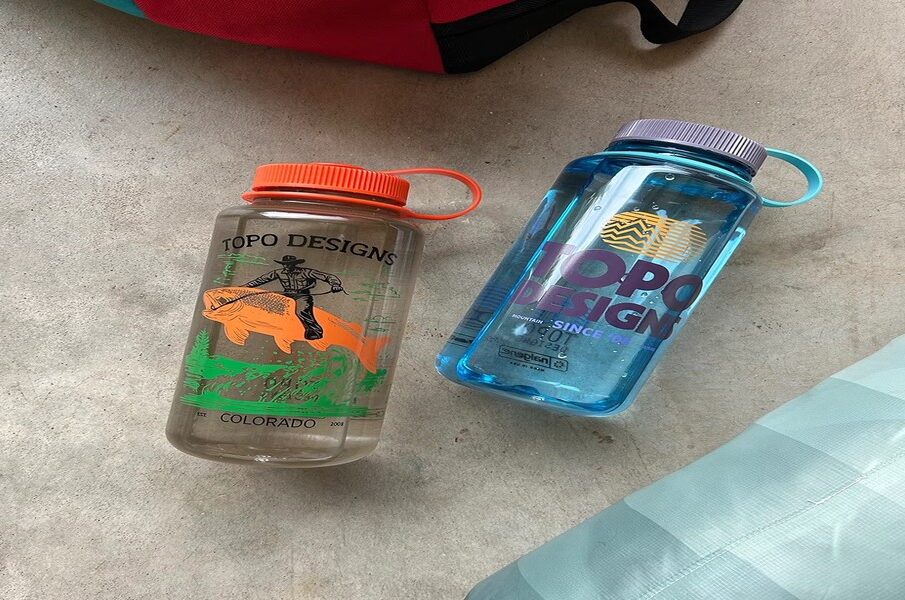
Where are Nalgene bottles most useful?
A water bottle’s usefulness depends on the situation in which it is placed. Nalgene Water Bottles earn consistent use not from a single context but from reliable performance across genuinely varied daily conditions. This wide mouth, durable construction, and leak-resistant seal are not designed for a single environment. They hold up equally across a demanding outdoor route, a long desk-based workday, a gym session, and a crowded commute. Most hydration vessels specialise in one context and underperform in others, forcing a rotation of containers depending on what the day involves. A single vessel covering the full range removes that rotation entirely. The situations below represent the regular conditions most people move through across a working week. Each situation places distinct demands on a bottle, and each is handled without adjustment or substitution. Authentically useful vessels are consistent across varied contexts.
Are Nalgene bottles suitable for hiking?
Hiking places more simultaneous demands on a bottle than any other daily situation. The vessel needs sufficient volume for extended duration, impact resistance on uneven terrain, a reliable horizontal seal under pack pressure, and fast filling from varied water sources. Each requirement matters on a trail where alternatives are unavailable and equipment failure compounds with distance.
Large openings accelerate filling without precise alignment. Durable construction absorbs drops without cracking the body or compromising lid threading. Graduated exterior markings help monitor intake against exertion during demanding ascents where fluid loss consistently outpaces thirst signals. It is hiking that provides the clearest demonstration of what this vessel format does well across genuinely demanding real-world conditions.
Situation 1: Trail hiking
Volume, durability, and seal reliability converge here more than in any other context. A bottle that handles trail conditions handles most other daily situations without additional consideration.
Situation 2: Desk-based work
Long uninterrupted work blocks create hydration gaps when refilling requires leaving the workspace repeatedly. A larger format reduces that interruption, and exterior markings support passive intake tracking without breaking concentration during focused work periods throughout the day.
Situation 3: Gym and training sessions
Physical exertion accelerates fluid loss at a rate that smaller vessels cannot support across a full session. A wide mouth allows faster drinking between sets. A secure lid prevents spillage when the bottle is placed down quickly on gym equipment or a bench during active training.
Situation 4: Daily commuting
Commute environments introduce consistent handling variability. Bags get compressed, bottles get dropped, and refill access is irregular. A leak-resistant seal handles bag pressure without spillage, and durable construction absorbs the incidental impacts that daily commute carry regularly produces across a working week.
Situation 5: Travel
Travel disrupts routine hydration access more than most situations. The airports, transit hubs, and unfamiliar locations reduce reliable access to clean water. With a reusable vessel, gaps are bridged without relying on single-use alternatives.
Situation 6: Shared or group environments
Offices, classrooms, and communal spaces introduce the practical problem of vessel identification among multiple similar containers. A clearly marked bottle is always associated with its owner. This reduces misplacement and eliminates the default to disposable alternatives when a personal vessel cannot be located quickly among others in a shared space.
The same core characteristics, durable construction, wide-mouth access, secure seal, and clear volume markings address every situation without modification. It is more desirable to deploy a vessel consistently across all six contexts rather than only occasionally.

Clare Louise is a business and entrepreneurship writer who focuses on marketing, leadership, financial planning, and organizational growth. She shares practical strategies that help business owners refine their operations and compete more effectively.