Strengthen Plumbing System Reliability Through Durable Pipe Repair And Repiping
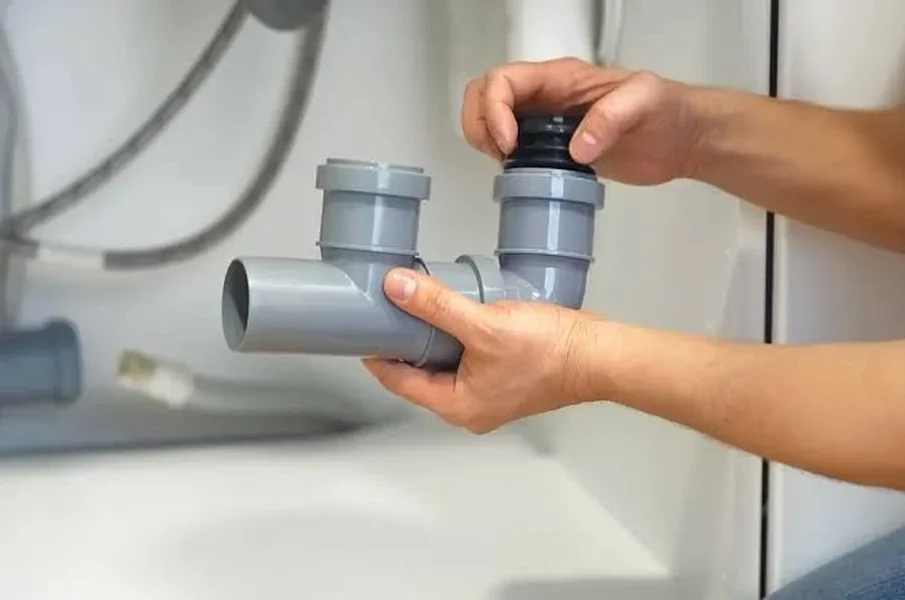
Old pipes rarely fail without warning. Low pressure and rusty water signal decay. A trusted Plumbing company in Maui spots these clues early. When neglected, pipes weaken for reasons worth understanding. Targeted repair and full repiping each have a place. Cost, timing, and lasting protection all hinge on diagnosis. Good fixes start with honest inspection. Timing separates a cheap fix from a flood. Local conditions shorten the safe repair window.
Pipes Weaken From Pressure And Corrosion
Age alone does not explain every failure. Constant water flow strains aging metal and joints. Minerals build up and narrow the path. Several forces quietly erode pipe walls.
- High pressure stresses seams and fittings daily
- Hard water deposits scale across inner walls
- Acidic soil corrodes buried copper lines
- Temperature swings crack brittle older plastic
When Does Repair Beat Replacement?
Small leaks and isolated damage favor quick repair. A single cracked joint rarely justifies tearing out everything. Skilled technicians test pressure before recommending work. Localized fixes save money when the surrounding pipe stays sound. But repeated patching on old lines wastes budget fast. A thirty-year-old network rewards replacement over endless visits.
Pipe Material Decides Real Longevity
Copper, PEX, and galvanized steel age differently. A seasoned Plumbing company in Maui matches material to local water. Soft island water treats certain metals kindly. PEX resists corrosion and flexes in tight spaces. Smart material choice extends service life by decades. Galvanized steel rusts away from the core. Local knowledge prevents expensive material mistakes.
Why Does Repiping Prevent Repeat Failures?
Patch after patch leaves weak sections untouched. Full repiping replaces the entire failing network at once. Fresh lines share consistent age and strength. Hidden pinhole leaks disappear with the old copper. One coordinated project ends years of recurring emergencies. Future repairs shrink to simple routine maintenance. Insurance claims drop after one clean replacement.
Which Warning Signs Demand Full Repiping?
Certain symptoms signal that repair time has passed. Watch for patterns, not single incidents. Seasonal spikes make the problem harder to ignore.
- Water turns brown each morning
- Pressure fades across several fixtures
- Pipes leak in multiple rooms
- Repair bills climb higher every season
- Joints sweat behind the drywall
The Hidden Cost Of Waiting
Those brown morning taps carry a quiet bill. Each delayed month lets pinhole leaks soak hidden framing. Wood rots long before the pipe fully bursts. A planned repipe costs less than emergency demolition later. The real expense hides in the walls, not the invoice. Salt air speeds that quiet damage.
FAQs
How long does whole-house repiping take?
Most homes finish in two to four days, depending on size and access. Crews restore running water each evening, so the household avoids a full shutdown. Permits and inspection add a day on some projects.
Can pipe repair fix slab leaks?
Spot repair works for isolated slab leaks when the surrounding pipe stays sound. Widespread damage under concrete points toward rerouting fresh lines overhead. A camera inspection confirms the true extent first.
Does repiping raise property value?
Updated lines reassure buyers and help a sale clear inspection without surprises. The upgrade signals a cared-for home and removes a price-negotiation headache. Appraisers note modern plumbing as a clear plus.
Which pipe material lasts longest?
Copper endures for decades when water chemistry stays balanced. PEX resists corrosion and fits in tight framing and corners. Galvanized steel trails both after thirty hard years.