Sustainable Corporate Gifts in Singapore: How to Choose Products People Will Keep
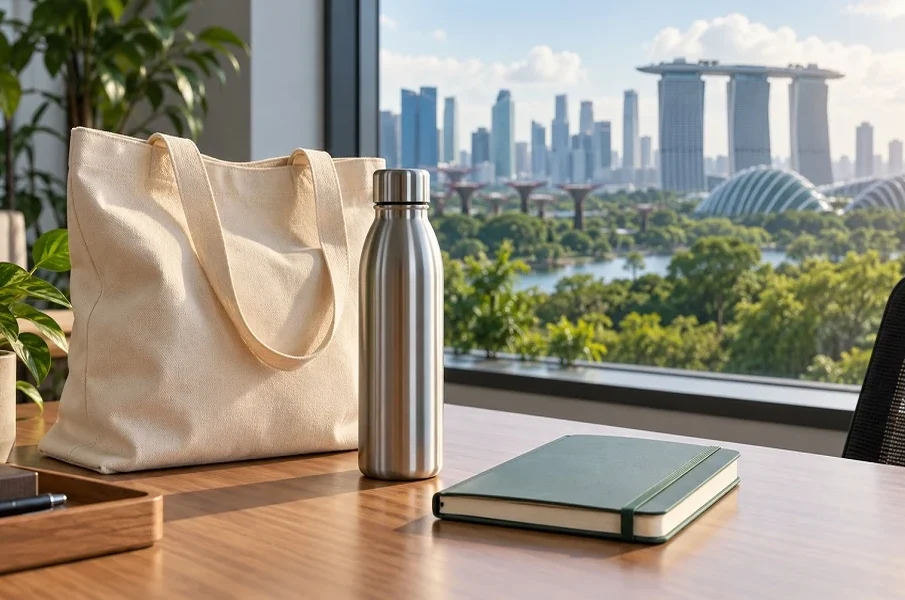
A corporate gift earns its place when someone reaches for it again. A bottle that fits a work bag, a tote with comfortable handles or a notebook that opens easily can become part of an ordinary day. That repeat use should sit at the centre of a sustainable gifting brief.
For businesses in Singapore, choosing well means looking beyond green packaging and natural colours. The aim is to select something useful, check its construction and understand the evidence behind any environmental claim. Global Asia Printings Pte Ltd offers corporate gift printing and customisation across several everyday product categories. These provide a starting point for a more considered shortlist.
Begin With the Recipient’s Routine
Before comparing products, decide who will receive the gift and when they are likely to use it. Employees joining an office may appreciate drinkware or stationery. Conference delegates may prefer a bag that carries their belongings comfortably. A client who travels frequently may value a compact organiser.
Ask what recipients already own. Another bottle may add little value to a team that received one recently. A short preference survey or a choice between two relevant items can help buyers avoid unnecessary duplication.
Singapore’s National Environment Agency encourages choosing reusables over disposables. For gifting, the practical question is whether the item will actually support that change. A reusable product needs repeated use to fulfil its purpose.
Shortlist Products With Everyday Value
Global Asia Printings lists water bottles, tumblers, cotton tote bags, lunch boxes and notebooks among its gift categories. Businesses comparing a Singapore corporate gifts supplier can use these categories to start a discussion about audience needs, customisation and budget.
A bottle should be comfortable to carry and straightforward to clean. A tote should have enough capacity for its intended use, with handles that feel secure when loaded. A notebook needs practical page space and binding that suits regular writing.
Treat these as selection criteria rather than promises about every available model. Confirm the exact product specifications, material composition and care instructions before approving an order. A useful category alone does not establish a product’s environmental credentials.
Check the Materials Behind the Message
Terms such as “recycled”, “bamboo” and “eco-friendly” need context. Ask which component uses the stated material and whether the claim applies to the whole item. For recycled content, request the percentage and supporting documentation where available.
A natural-looking finish tells buyers little about coatings, adhesives or manufacturing. Likewise, a product described as biodegradable needs an explanation of the conditions required. Avoid assuming that it can go into an ordinary recycling bin.
The US Environmental Protection Agency’s life-cycle approach to materials considers how resources are used across a product’s life. This provides a useful perspective for procurement: weigh materials alongside durability, maintenance, transport and eventual disposal.
Where evidence is limited, keep the description specific. “Reusable bottle” is clearer than an unsupported claim that a gift is completely sustainable.
Make Quality Part of the Approval Process
Request a sample where available and assess it as a recipient would. Open and close the lid, check the bag stitching or write on the notebook paper. Examine the finish, edges and printed surface.
For drinkware, confirm intended use and cleaning guidance. For textiles, check care requirements and how the chosen print method suits the fabric. Ask how the supplier handles faulty items and whether replacement components are available for the selected product.
A photograph cannot show how a handle feels or whether a lid is awkward to wash. Small usability problems can discourage regular use, even when the gift looks impressive during presentation.
Keep Branding and Packaging Thoughtful
Branding should complement an item’s everyday appeal. A discreet mark, balanced placement and considered colour choice can make a gift easier to use beyond the event. Date-specific artwork deserves care because it may quickly feel outdated.
Packaging should protect the product without adding unnecessary layers. Ask whether individual wrapping is essential and whether simpler presentation is suitable. If a tote holds the other items, consider whether another outer bag serves a purpose.
Order quantities also matter. Confirm attendance, allow a sensible contingency and plan for leftovers. Unwanted surplus undermines a carefully chosen gift.
Build a Brief Worth Keeping
A clear brief brings together recipient needs, product specifications, branding, quantity, packaging and delivery dates. It also gives the supplier concrete questions to answer before production begins.
Contact Global Asia Printings Pte Ltd to discuss practical gift options and customisation for your next Singapore campaign.