Sealcoating, Resurfacing or Replacement for Worn Asphalt
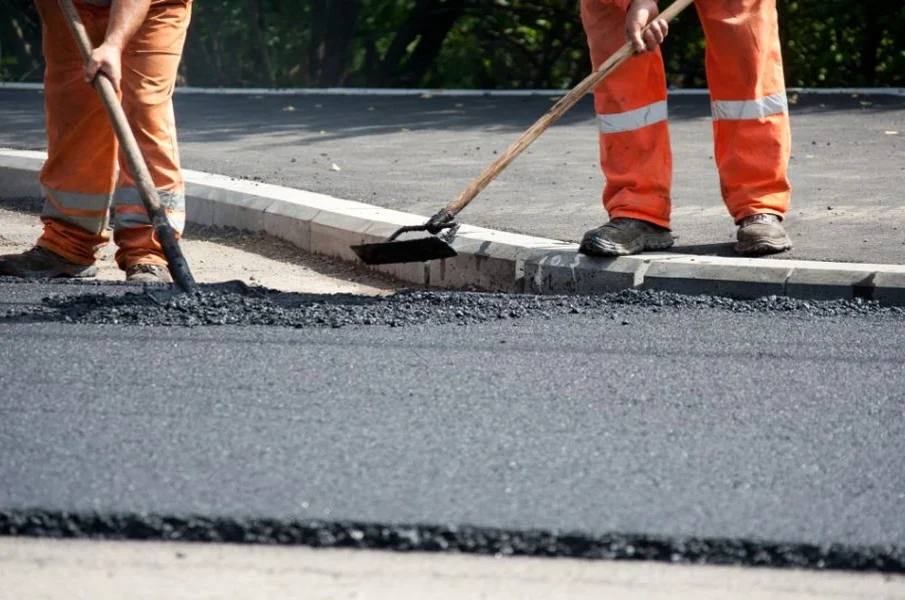
The right repair for worn asphalt depends on what’s happening under the surface, not on how tired the top looks. A faded driveway with a sound base may only need sealcoating. One with sinking patches and spreading cracks probably needs to come out entirely. Before a paving company knoxville homeowners and business owners trust writes up a quote, it should check which of those situations it’s dealing with. Choosing the wrong option either wastes money or leaves the real problem in place.
When Only Replacement Will Do
Full replacement means removing the old asphalt, fixing or rebuilding the gravel base and paving from scratch. It’s the most expensive option and the most disruptive. Sometimes it’s the only one that makes sense.
Widespread alligator cracking usually points to a base problem. So do sunken areas, standing water that never drains and potholes that keep returning after patching. Pavement that’s simply very old, with many layers of patches, may also be past the point where an overlay will hold.
Replacement is also the chance to fix drainage and grading properly. That alone can add years to the new surface.
How Contractors Judge the Condition
A good assessment looks at more than the surface. A reputable paving company Knoxville clients rely on will usually check several things before recommending any repair.
- The type and pattern of cracking across the surface
- Whether any areas feel soft, sunken or uneven underfoot
- How water drains during and after rain
- The age of the pavement and any past repairs
- How much traffic and weight the surface carries
- The condition of the edges and where pavement meets curbs or concrete
On larger commercial jobs, some contractors take core samples to measure the thickness of the asphalt and see the base directly.
The Three Options Side by Side
Here’s how the choices compare in general terms.
| Factor | Sealcoating | Resurfacing | Full Replacement |
|---|---|---|---|
| What it does | Protects the existing surface | Adds a new asphalt layer on top | Removes and rebuilds everything |
| Best for | Sound pavement with light wear | Surface cracks over a firm base | Base failure, sinking, heavy damage |
| Relative cost | Lowest | Moderate | Highest |
| Time out of use | Usually a day or two | A few days | Longer, depending on base work |
| Fixes drainage | No | Partly, in some cases | Yes, when regraded |
| How often | Every few years | Once in a while | Once the old surface fails |
The table is a guide. Actual costs and timing depend on the size of the area, its condition and the season.
Reading Beneath the Surface
Two driveways can look equally worn and need completely different work. One might have a firm base under a faded top, while the other has water quietly softening the gravel beneath it. Sealcoat, overlay and full replacement each make sense for one of those situations and waste money on the other. The decision comes down to what sits underneath, and that’s the part a careful assessment is there to find.

Clare Louise is a business and entrepreneurship writer who focuses on marketing, leadership, financial planning, and organizational growth. She shares practical strategies that help business owners refine their operations and compete more effectively.