The Use of Technical Fabrics for Patient Handling Methods
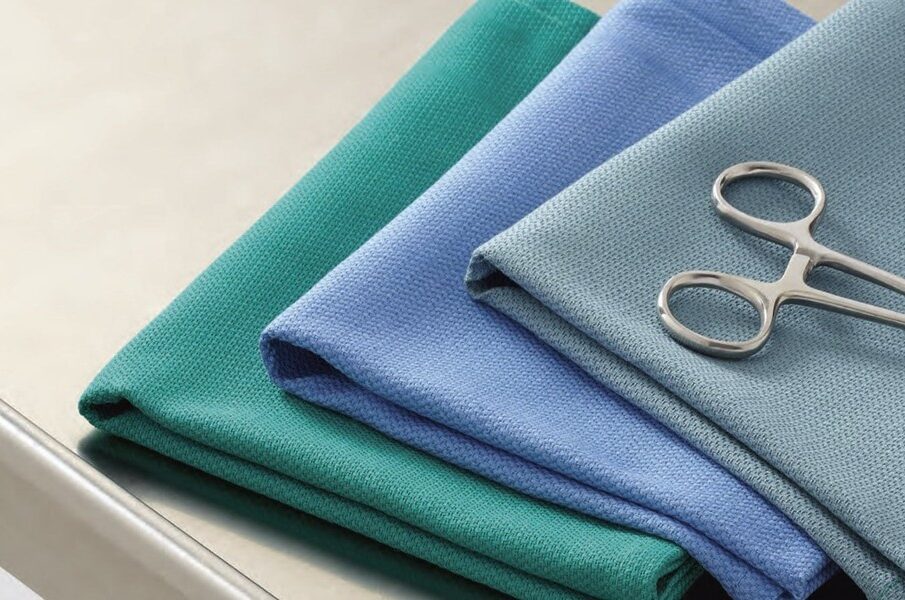
There are great physical demands placed on healthcare workers every day. The critical need for safe patient mobility is always at the top of the list in hospitals, care homes, and other healthcare locations where patients are moved around a location or treated. Technical fabrics for patient handling are an important part of the process. Modern medical textiles have revolutionised patient transfers and how patients are handled in everyday medical situations. This article will look at how this has transformed the healthcare sector, raised standards and improved patient safety and comfort across the country.
Why do advanced medical textiles matter in patient handling?
In hospitals, care homes, and other medical locations, patients must always be handled with care. In the past though, the care of the healthcare professionals wasn’t looked at as important, and therefore you would regularly see a high number of musculoskeletal injuries in those healthcare individuals who were responsible for handling patients. The advancement in technology in medical textiles has helped to reduce these types of industries in nursing staff and medical professionals, alongside the importance of improving patient dignity and comfort on a day-to-day basis. Advanced medical textiles are crucial in patient transfers because they significantly reduce friction, preventing injury to the caregiver and protecting the integrity of the patient’s skin.
What are the key properties of friction-reducing technical fabrics in healthcare?
Ensuring the safety and comfort of patients during handling procedures is vital to the ongoing functionality of a healthcare setting. The key properties of friction-reducing technical fabrics in healthcare include:
- Ultra-low friction surfaces
Silicone-coated fabrics or specialised synthetic weaves allow for effortless multidirectional gliding. This is incredibly important during patient transfers, especially when sliding from the bed to a stretcher or into a chair. These are the critical moments that can cause distress and discomfort without the proper fabrics and manual handling processes in place.
- Infection control and resistance to fluids
Fabrics for use within hospitals and other medical settings are designed to be used in these harsh environments where infection control is key. They are treated with antimicrobial coatings or polyurethane (PU) to resist bodily fluids and to withstand consistent use and heavy laundering.
- High tensile strength and durability
Specialist medical fabrics are designed to be lightweight yet robust. There are many different types of patients that require careful handling. From those suffering with bedsores and tenderness to bariatric patients, where there is a need to support heavy loads without tearing, modern medical textiles are designed to support myriad patients and concerns.
What are the common applications for patient handling fabrics?
Common patient handling processes and fabrics include:
- Slide sheets and flat slides – these are used to help with lateral transfers and for turning patients in bed.
- Hoist slings – these are stronger, woven technical fabrics that are designed to help with the vertical lifting of patients.
- Transfer boards – fabrics are used to cover transfer boards, designed to withstand fluids and prevent friction.
- Mattresses – healthcare mattresses must be designed to withstand bodily fluids, blood, and chemicals, as well as offer great levels of comfort for patient recovery and recuperation.
Understanding the requirements for safe and efficient patient handling is important, but finding the right supplier is even more so. Find a reputable supplier with the technology and the intent to produce technical fabrics that make a difference to hospital care and patient comfort.

Clare Louise is a business and entrepreneurship writer who focuses on marketing, leadership, financial planning, and organizational growth. She shares practical strategies that help business owners refine their operations and compete more effectively.